





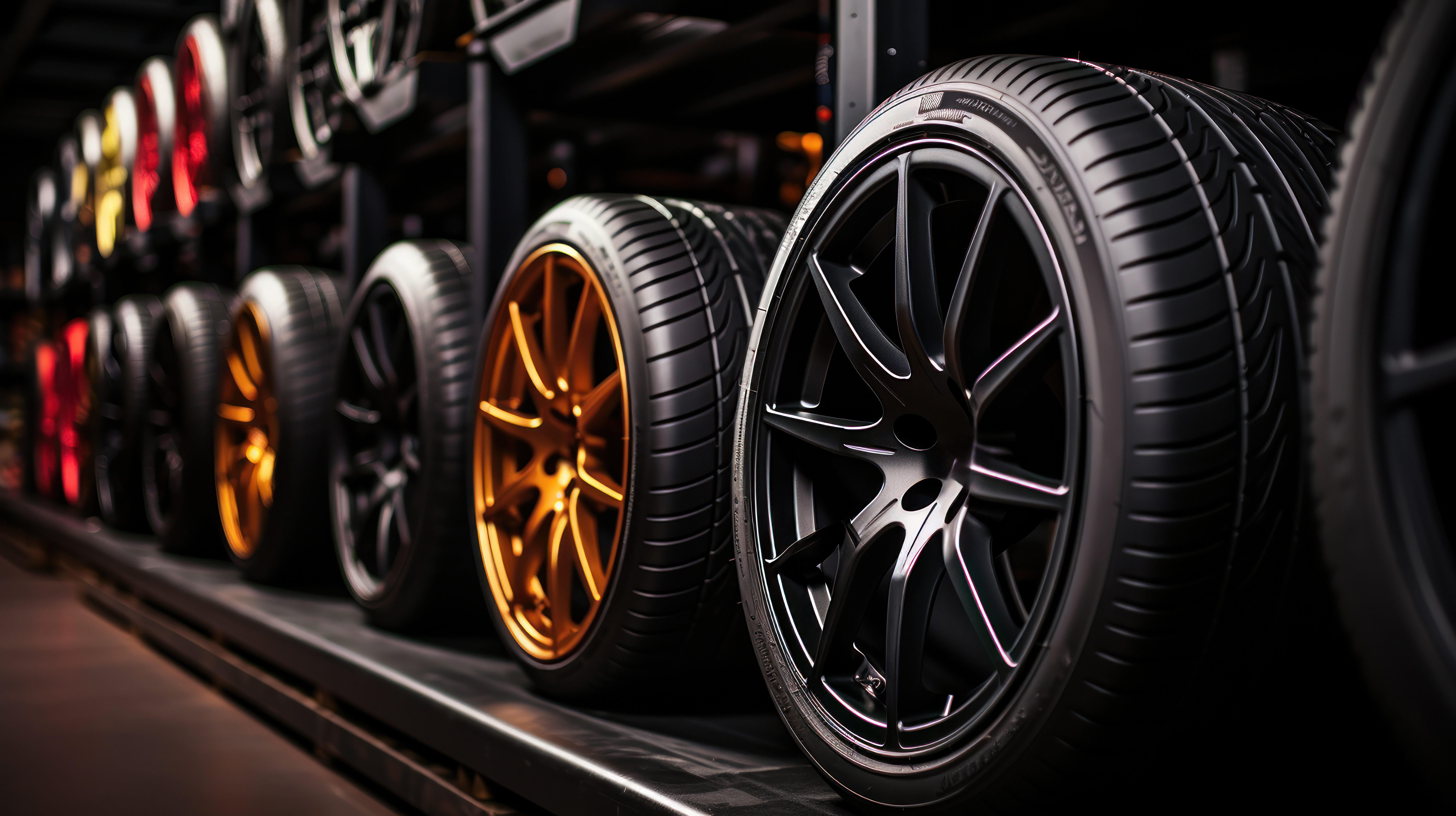
Choosing the right tyres is not only about size and brand. One of the most important decisions is whether to go with tube tyres or tubeless tyres. Many drivers overlook this detail, yet it plays a major role in safety, comfort, and running costs.
If you plan to buy tyres online or are looking to buy cheap tyres online without making a poor choice, understanding how these two tyre types differ will help you make a confident decision. Both options are still available, but they are designed for very different driving needs.
This guide explains tube vs tubeless tyres in simple terms and helps you decide which one suits your vehicle and daily driving conditions.
What Are Tube Tyres?
Tube tyres use a separate rubber tube placed inside the tyre to hold air. The tyre itself does not store air directly. Instead, the tube sits between the tyre casing and the wheel rim.
How Tube Tyres Work?
- Air is filled into an inner tube
- The tube maintains air pressure
- A puncture often causes quick air loss
Tube tyres were once standard for most vehicles. Today, they are mainly found on older cars, motorcycles, and certain commercial vehicles.
Advantages of Tube Tyres
- Lower purchase cost in many cases
- Compatible with older wheel rims
- Familiar design for many repair shops
Disadvantages of Tube Tyres
- Sudden deflation during punctures
- Higher risk of blowouts at speed
- More heat builds up on long drives
- Repairs often take longer
Drivers looking to buy cheap tyres online sometimes consider tube tyres due to their lower upfront price. However, it is important to weigh this against safety and mainte nance concerns.
What Are Tubeless Tyres?
Tubeless tyres do not require an inner tube. Air is held directly between the tyre and the wheel rim, creating an airtight seal. Most modern vehicles come fitted with tubeless tyres as standard.
How Tubeless Tyres Work?
- The tyre seals tightly against the rim
- Air stays inside the tyre casing
- Small punctures allow slow air release
Tubeless tyres are widely available when you buy tyres online and are generally preferred for everyday driving.
Advantages of Tubeless Tyres
- Gradual air loss during punctures
- Lower risk of sudden tyre failure
- Better heat control during long drives
- Easier puncture repairs
- Improved ride comfort
Disadvantages of Tubeless Tyres
- Slightly higher initial cost
- Requires compatible wheel rims
- Incorrect fitting can cause air leaks
Tube vs Tubeless Tyres: Key Differences
Understanding the main differences makes it easier to choose the right option.
Safety
Tubeless tyres are safer in most situations. When punctured, they lose air slowly, giving the driver time to slow down and stop. Tube tyres can deflate rapidly, which increases the risk of losing control.
Maintenance and Repairs
Small punctures in tubeless tyres are often repaired quickly using a plug, sometimes without removing the tyre. Tube tyres usually require the tube to be removed, repaired, or replaced, which takes more time.
Driving Comfort
Tubeless tyres handle heat and pressure better, especially on long trips. This results in a smoother and more stable ride compared to tube tyres.
Long-Term Costs
Tube tyres may cost less at the time of purchase, but tubeless tyres often last longer and need fewer repairs. Over time, tubeless tyres can be more cost-effective.
Fuel Usage
Tubeless tyres generally roll more smoothly, which can slightly reduce fuel usage over extended periods.
Which Tyre Type Should You Choose?
The right choice depends on your vehicle, driving habits, and road conditions.
Tube Tyres May Be Suitable If
- Your vehicle uses older tube-type rims
- Driving is limited to short city trips
- Initial cost is the main concern
- Regular maintenance is not an issue
Tubeless Tyres Are a Better Fit If
- You drive frequently on highways
- Safety is a top priority
- You want fewer roadside tyre issues
- Comfort and long-distance driving matter
For most modern cars, tubeless tyres are the more practical and dependable option.
Understanding Self-Sealing Tyres
Self-sealing tyres offer an added layer of protection against punctures. These tyres contain a special sealing layer inside that closes small holes automatically as they occur. This helps maintain air pressure and reduces the need for immediate repairs.
We have a detailed-guide on self-sealing tyres: their benefits and limitations.
They are especially useful for drivers who travel long distances or want extra peace of mind on everyday journeys.
Buying Tyres Online With Confidence
When you buy tyres online, knowing whether you need tube or tubeless tyres prevents costly mistakes. Always check:
- Vehicle manufacturer recommendations
- Rim compatibility
- Driving conditions
- Load and speed ratings
Buying tyres online also allows you to compare options easily and find better value without rushing into a decision. Many drivers now prefer to buy cheap tyres online while still focusing on safety and durability.
Explore the Right Tyres for Your Vehicle
Choosing the right tyres is easier when you have access to a wide range of options and clear information. Our Tyre collections include tyres for city driving, highway use, and different vehicle types, making it simpler to find the right fit for your needs.
At Eagle Tyres, the focus is on helping drivers choose tyres that match their driving habits and road conditions, without confusion or guesswork.
Final Thoughts
The choice between tube and tubeless tyres goes beyond price. It affects how safe your drive feels, how often you deal with punctures, and how comfortable your car is on the road. While tube tyres still work for specific situations, tubeless tyres suit the needs of most modern drivers.
If you are planning to buy tyres online, understanding these differences puts you in a better position to choose wisely. With clear guidance, a wide selection, and dependable options available at Eagle Tyres, finding the right tyres becomes a straightforward step toward safer and more confident driving.

